Managed Cybersecurity Services: Protecting Your Digital Future in 2026

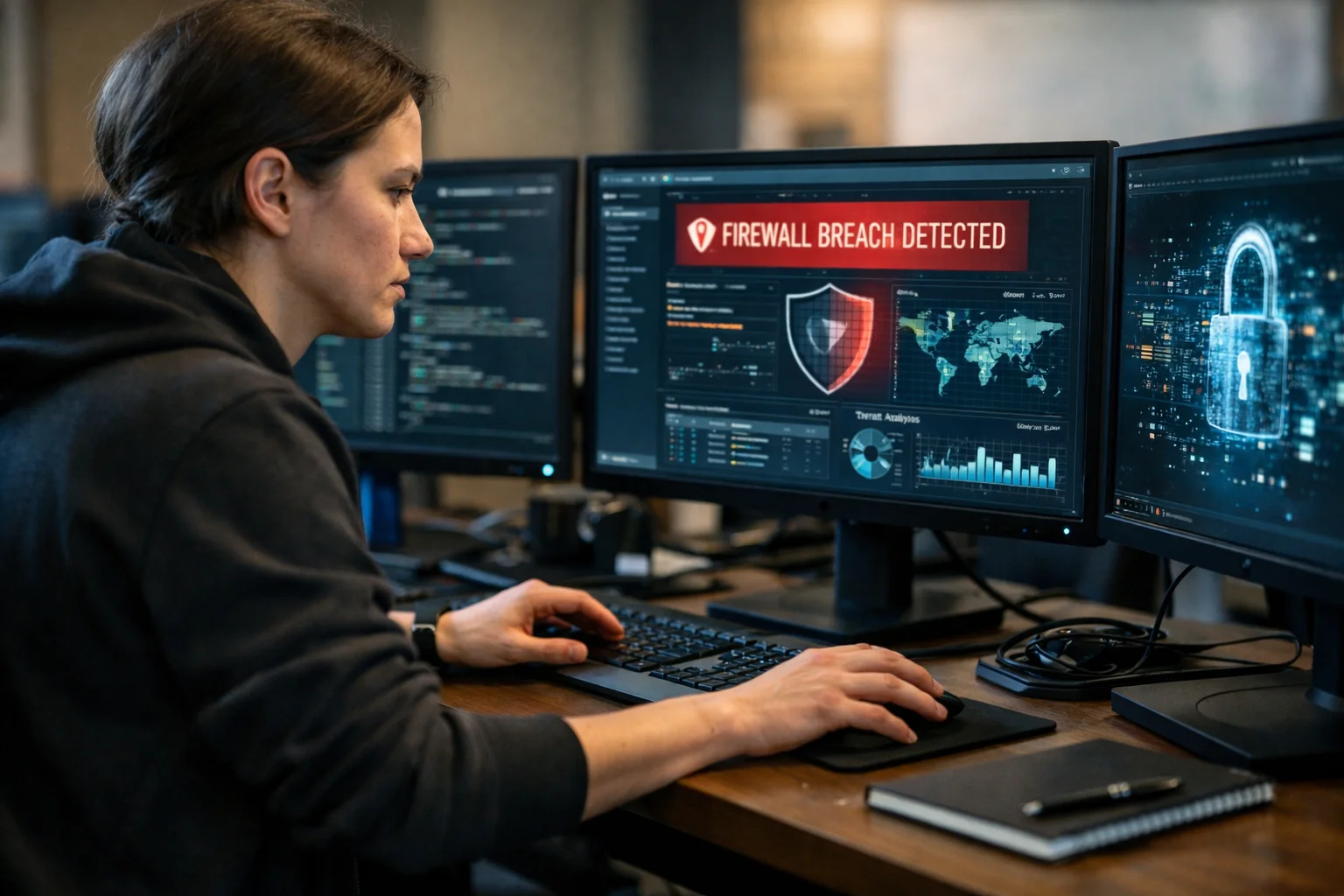
The digital landscape has changed drastically as we move through 2026. Traditional firewalls are no longer enough to stop sophisticated AI-driven attacks. Today, Managed Cybersecurity Services have become the backbone of business continuity.
These services provide an external team of experts to handle your security. They don’t just react to problems; they prevent them. Whether you are a small startup or a global enterprise, understanding how managed security works is vital for survival in a hyper-connected world.
The Evolution of Managed Cybersecurity Services in 2026
Cybersecurity is no longer a “set and forget” task. Threat actors now use automated tools to find vulnerabilities in seconds. This shift has forced a move toward proactive defense.
Managed Cybersecurity Services offer a holistic approach. Instead of buying individual software, you invest in a continuous cycle of protection. This includes everything from data encryption to employee training.
Why Businesses Need Managed Threat Detection and Response (MDR)
One of the most critical parts of a modern security plan is Managed Threat Detection and Response (MDR). In the past, security tools simply sent an alert when they saw something suspicious. This often led to “alert fatigue.”
MDR goes a step further. It combines advanced technology with human expertise. When a threat is detected, the MDR team analyzes it immediately. They don’t just tell you there is a problem; they take action to isolate the threat.
Benefits of MDR in 2026:
- Faster Detection: AI-powered sensors identify anomalies in milliseconds.
- Advanced Analysis: Security experts verify if the threat is a real attack or a false alarm.
- Direct Neutralization: The service can remotely disconnect infected devices to save the rest of the network.
Alt Text: Managed Threat Detection and Response MDR dashboard visualizing real-time security threats
The Power of 24/7 SOC Monitoring
Cybercriminals do not work from nine to five. In fact, most major data breaches occur during holidays or late at night. This is why 24/7 SOC Monitoring is essential.
A Security Operations Center (SOC) is a central hub where security professionals watch your network. They use advanced tools to monitor every login, file transfer, and data movement.
Alt Text: Professional 24/7 SOC Monitoring center with experts tracking cybersecurity events
What Happens Inside a SOC?
First, the system collects data from across your company. Next, AI filters out normal activity. Finally, the human experts focus on the high-risk events. This constant watch ensures that your Managed Cybersecurity Services never take a break.
Achieving Stability Through Continuous Security Operations
Security is not a single event. It is a process. Continuous Security Operations mean that your defense is always evolving.
In 2026, we use “Adaptive Security Architecture.” This means the system learns from every attempted attack. If a hacker tries a new method against one company, the system automatically updates the defenses for everyone else.
This continuous cycle includes:
- Prediction: Identifying where the next attack might come from.
- Prevention: Hardening systems against those specific threats.
- Detection: Watching for any bypasses of the defense.
- Response: Cleaning up and learning from the event.
When the Worst Happens: Incident Response Services
Even with the best defense, no one is 100% safe. This is where Incident Response Services come into play. If a breach occurs, you need a specialized team to step in immediately.
An incident response team works like a digital fire department. They arrive (virtually) to put out the fire, find the cause, and prevent it from spreading.
The 2026 Incident Response Framework:
- Preparation: Creating a “playbook” before an attack happens.
- Identification: Confirming exactly which data was accessed.
- Containment: Stopping the hacker from moving deeper into the network.
- Eradication: Removing all traces of the malware or unauthorized access.
- Recovery: Restoring systems from clean backups.
Getting Help Fast: Emergency Cyber Support
Sometimes, a company that does not have Managed Cybersecurity Services finds itself in a crisis. Perhaps they have been hit by ransomware, or their website is down. In these moments, they need Emergency Cyber Support.
Emergency support is designed for speed. Experts work around the clock to decrypt files or negotiate with attackers. However, it is always better to have a managed plan in place than to rely on emergency help after the damage is done.
Cybersecurity Best Practices for 2026
While professional services are great, every individual must play their part. Here are the top Cybersecurity Best Practices to follow:
- Use Zero-Trust Architecture: Never trust a device or user by default, even if they are inside your office.
- Multi-Factor Authentication (MFA): Use hardware keys or biometric scans instead of just SMS codes.
- Regular Patching: Ensure all software, especially AI tools, is updated weekly.
- Data Minimization: Do not store data you don’t need. If you don’t have it, hackers can’t steal it.
- Employee Awareness: Train staff to recognize “Deepfake” phishing calls and videos.
Latest Cybersecurity Threats and Solutions (2026)
As we look at the current year, the threats have become more “intelligent.”
1. AI-Powered Phishing
Threat: Hackers use AI to mimic the voice and face of a CEO in video calls. Solution: Implementing strict “out-of-band” verification for all financial transfers.
2. Quantum-Decryption
Threat: New computing power can break old passwords easily. Solution: Upgrading to Quantum-Resistant Encryption (QRE) through your service provider.
3. Supply Chain Vulnerabilities
Threat: Attacking a small software vendor to gain access to their large clients. Solution: Continuous monitoring of all third-party software connections.
Tools of the Trade
A professional Managed Cybersecurity Services provider uses a specific “stack” of tools:
- Next-Gen Firewalls (NGFW): These use deep-packet inspection to see inside encrypted traffic.
- Cloud Security Posture Management (CSPM): Tools that ensure your data on Google Cloud or Microsoft Azure is not exposed.
- AI-Driven Antivirus: These don’t look for “files”; they look for “behaviors” that suggest malware.
Choosing the right Managed Cybersecurity Services is the most important decision a business leader can make in 2026. By integrating Managed Threat Detection and Response (MDR) and 24/7 SOC Monitoring, you create a shield that never sleeps.
Remember, the goal of modern security is not just to build a taller wall, but to have a smarter team watching the gate. With Continuous Security Operations and a solid plan for Incident Response Services, your company can grow with confidence in the digital age.