Digital Transformation for Small Businesses in 2026

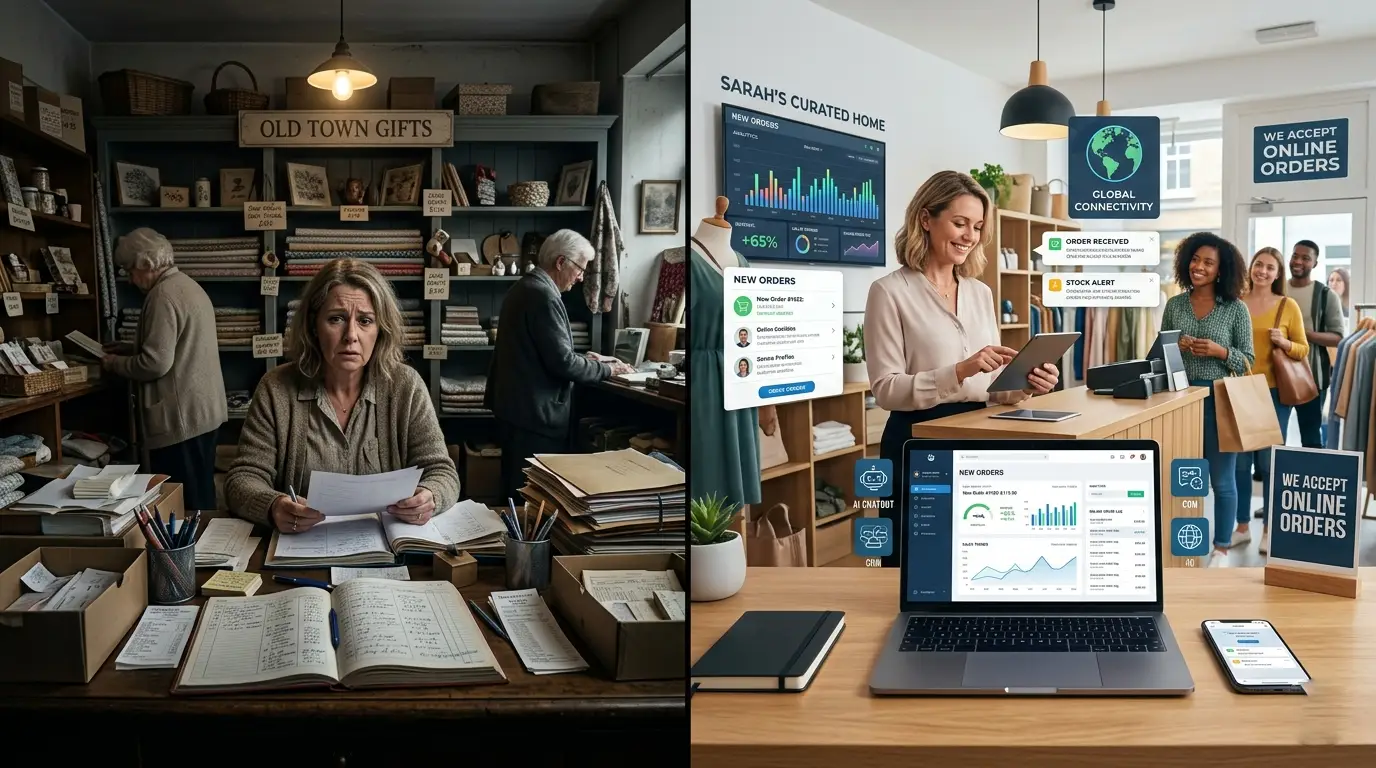
In 2026, digital transformation for small businesses is no longer optional — it’s essential for growth and competitiveness. Small business owners who embrace digital tools are seeing significantly higher revenue growth compared to those who delay.
The good news? You don’t need a massive budget or complex systems to begin. The smartest first step is building or upgrading your website. A modern website serves as the central foundation for your entire small business website strategy, connecting online presence, automation, customer data, and scalable growth.
If you’re a small business owner exploring digital transformation for small businesses, this guide shows exactly why your website should come first and how to get started with a clear, practical roadmap.
Why Your Website Is the Foundation of Digital Transformation for Small Businesses
Many small businesses still treat their website as a static online brochure. In 2026, that approach leaves money and opportunities on the table.
A strategic website powers digital transformation for small businesses in several key ways:
- It acts as your always-on digital storefront and lead generator, delivering seamless experiences on mobile devices where most traffic originates.
- It enables automation by integrating chatbots, booking systems, CRM tools, and payment gateways directly into the site.
- It collects valuable customer data through forms, analytics, and behavior tracking to support smarter decisions.
- It provides a scalable platform that grows with your business — from adding e-commerce to supporting international customers with multi-language and multi-currency features.
- It builds instant credibility and trust, signaling to potential customers that your business is modern, professional, and reliable.
Businesses that invest in a proper website for digital transformation 2026 consistently report better engagement, higher conversion rates, and stronger overall ROI across their digital efforts.
The Simple 5-Stage Roadmap for Digital Transformation Starting with Your Website
Here’s an easy-to-follow 5-stage roadmap designed specifically for small businesses. Start with your website and build from there for sustainable progress.
Stage 1: Assessment – Know Where You Stand Review your current online presence, identify customer pain points, and clarify your business goals. Use free tools like Google Analytics and customer feedback to understand where leads are dropping off and which manual processes waste the most time. This step ensures your small business website strategy is aligned with real needs.
Stage 2: Foundation – Build or Redesign Your Core Website Create a fast, mobile-first, secure website that serves as your digital headquarters. Focus on clean design, excellent speed (Core Web Vitals), easy integration points for future tools, and strong lead-capture features such as contact forms and chat. This foundation makes every subsequent stage faster and more effective.
Stage 3: Automation – Streamline Operations Through Your Site Layer in automation tools once your website is live. Add AI-powered chatbots for instant support, automated email sequences for new leads, online booking systems, and workflow integrations. Many small businesses save several hours per week per team member with these early automation wins.
Stage 4: Data-Driven Growth – Turn Insights into Action Connect your website to analytics and CRM platforms to track important metrics like traffic sources, conversion rates, and customer journeys. Use this data to refine your marketing, personalize experiences, and make informed business decisions that improve retention and acquisition.
Stage 5: Optimization & Scaling – Keep Evolving Digital transformation is ongoing. Regularly update your website with new features such as personalized recommendations, advanced SEO, or accessibility improvements. Test changes and expand capabilities as your business grows — whether that means global selling or deeper integrations.
This structured approach prevents overwhelm and delivers quick visible wins while building long-term capability.
Real ROI Examples of Digital Transformation for Small Businesses
Small businesses worldwide that started their digital journey with a strategic website have achieved impressive results:
- A virtual event company in the US redesigned its website as a digital-first platform and expanded its offerings, growing revenue faster than in the previous eight years combined.
- An Australian online retailer optimized its website for mobile and smooth checkout flows, resulting in mobile sales doubling in a short time.
- A B2B service provider integrated CRM and automation directly through its new website, achieving notable efficiency gains and revenue uplift.
Across different industries and countries, small businesses following a clear small business website strategy often grow revenue nearly twice as fast as non-digital peers while reducing manual workload.
Common Challenges and How to Overcome Them
Small business owners frequently worry about cost, complexity, or disruption. The key is to start small and choose a partner who delivers clear stages, transparent pricing, and ongoing support. Prioritize user experience and performance first — these deliver fast results and build momentum for deeper transformation.
Avoid trying to implement everything at once. A well-planned website foundation makes the rest of your digital transformation for small businesses much smoother and more affordable.
Ready to Start Your Digital Transformation Journey?
Your website is far more than an online business card in 2026 — it’s the powerful engine that drives online visibility, automation, data insights, and sustainable growth for small businesses.
If you’re ready to take the first step toward successful digital transformation for small businesses, focus on building (or upgrading) a high-performance website designed as the foundation for your broader strategy.
At ReonSys, we help small business owners create fast, conversion-focused websites that serve as the perfect launchpad for digital transformation. From strategy and design to integrations and ongoing optimization, we deliver practical small business website strategy solutions that produce real results.